

Dry skin is one of the most common skin concerns. It can make the skin feel tight, itchy, rough, and sometimes even flaky. Weather changes, hot showers, harsh soaps, and lack of moisture all contribute to this condition. Many people look for expensive creams or complicated routines, but sometimes the simplest remedies work best.
One such traditional yet effective remedy is a milk bath for dry skin. This skincare ritual has been used for centuries, and today it is gaining attention again for its gentle and nourishing effects.
At New Miuz, we believe skincare should be simple, calming, and effective. A milk bath fits perfectly into that philosophy because it supports hydration, softness, and natural skin renewal without harsh chemicals.
What Is a Milk Bath?
A milk bath is exactly what it sounds like bathing in water mixed with milk or milk-based ingredients. This can include:
- Whole milk
- Powdered milk
- Goat milk
- Buttermilk
- Milk bath blends or bath soaks
When added to warm water, milk releases nutrients and fats that interact with the skin.
The key reason milk baths are effective is because milk naturally contains:
- Fats (moisturizing properties)
- Proteins (skin conditioning benefits)
- Vitamins (skin nourishment support)
- Lactic acid (gentle exfoliation)
These components work together to improve skin texture and hydration in a very gentle way.
Why Milk Baths Are Good for Dry Skin
Dry skin lacks moisture and natural oils. This leads to a weakened skin barrier, making it more sensitive and rough. A milk bath helps in multiple ways by targeting these issues directly.
Let’s break it down clearly.
1. Helps Restore Skin Moisture
One of the most noticeable milk bath benefits for skin is hydration.
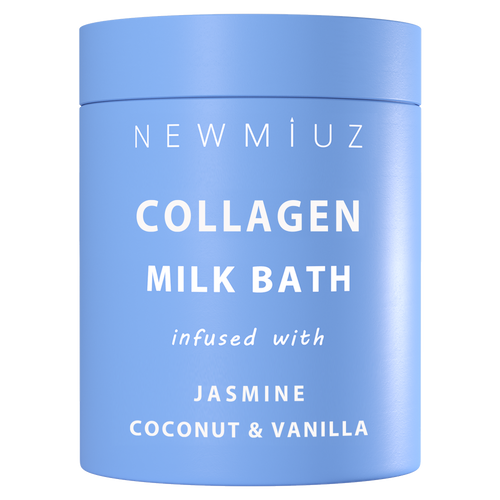
Milk contains natural fats and lipids that help coat the skin lightly, preventing moisture loss during and after bathing. When you soak in a milk bath, your skin absorbs some of these nourishing components, leaving it softer and more comfortable. Our Coconut Collagen Milk Bath (Jasmine, Coconut & Vanilla) is specially formulated to deliver deep hydration and nourishment for dry skin.
Unlike harsh soaps that strip natural oils, milk works in a gentle way, supporting the skin barrier instead of damaging it.
This is especially helpful for people dealing with:
- Seasonal dryness
- Rough elbows and knees
- Flaky arms and legs
- Post-shower tightness
2. Gentle Exfoliation with Lactic Acid
Milk naturally contains lactic acid, which is a type of alpha hydroxy acid (AHA). This ingredient is widely used in skincare for one main reason — it removes dead skin cells gently.
Dead skin buildup is one of the main reasons dry skin looks dull and rough. Lactic acid helps:
- Break down dead skin cells
- Smooth rough texture
- Improve skin brightness
- Encourage natural skin renewal
For visible skin glow improvement, try our Skin Glow Bath Salt, infused with turmeric, arnica, and orange essential oils to revive dull and rough skin.
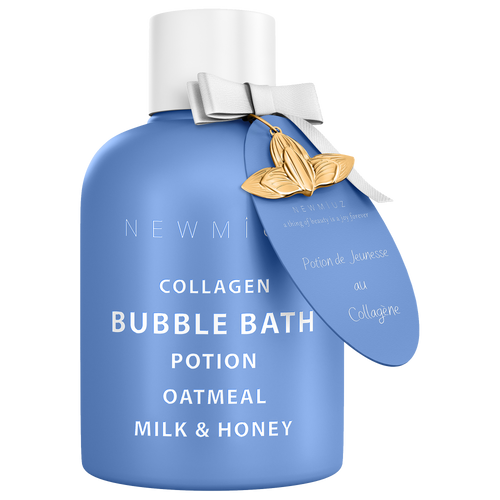
Our Collagen Bath Salt (Oatmeal, Milk & Honey) is an excellent choice for gentle AHA-based exfoliation while deeply conditioning the skin.
The important thing is that it exfoliates without scrubbing. This makes milk baths suitable even for sensitive skin types.
3. Improves Skin Texture Over Time
A single milk bath can make skin feel softer temporarily, but regular use can improve overall texture.
Over time, consistent milk baths may help:
- Reduce rough patches
- Improve smoothness
- Make skin feel more even
- Reduce dull appearance
This happens because the combination of hydration + mild exfoliation helps the skin renew itself naturally.
4. Soothes Dry and Irritated Skin
Dry skin is often not just dry — it can also feel irritated or slightly inflamed. Milk has a naturally calming effect on the skin.
The proteins and fats in milk help reduce discomfort by:
- Softening the skin surface
- Reducing dryness-related irritation
- Supporting skin barrier repair
Many people with sensitive skin find milk baths comfortable because they are non-aggressive and free from strong chemicals. Our Hydrating Aloe Vera Milk Bath, enriched with aloe vera, oatmeal, and chamomile, is specifically designed to calm irritated and sensitive skin during every soak.
5. Supports a Relaxing Bath Experience
While the skincare benefits are important, milk baths also provide a relaxing experience.
Warm water combined with milk creates a calming bath that helps:
- For targeted muscle relaxation, our Creamy Coconut Magnesium Milk Bath delivers the calming power of magnesium directly through your skin during your soak.
- Reduce stress
- Improve sleep quality
- Create a self-care moment
This combination of skincare + relaxation is one reason milk baths are still popular today. If relaxation is your primary goal, explore our Calm & Relax collection thoughtfully curated products that combine skincare benefits with true stress relief.
Types of Milk You Can Use in a Milk Bath
Not all milk baths are the same. You can choose different types depending on your skin needs.
Whole Milk
- Most commonly used
- Rich in fats
- Very moisturizing
Goat Milk
- Gentle on sensitive skin
- Contains natural vitamins
- Often used in skincare products
Powdered Milk
- Easy to store
- Budget-friendly option
- Works well for DIY baths
Buttermilk
- Higher lactic acid content
- Stronger exfoliation effect
- Best for rough skin
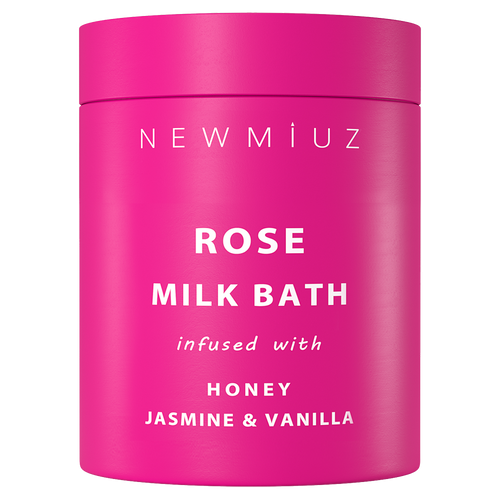
Prefer a ready-made option? Our Rose Milk Bath (Honey, Jasmine & Vanilla) blends the best of nourishing milk with botanical ingredients for a truly luxurious experience.
How to Take a Milk Bath at Home
A milk bath is very easy to prepare and does not require special tools.
Simple steps:
-
Fill your bathtub with warm water
-
Add 1–2 cups of milk (or ½ cup powdered milk)
-
Mix it properly in the water
-
Soak for 15–20 minutes
-
Rinse lightly with clean water
After the bath, gently pat your skin dry and apply a moisturizer to lock in hydration. After the bath, gently pat your skin dry and apply a body or shower oil to damp skin to lock in hydration oil on slightly damp skin creates a seal that keeps moisture from escaping.
How Often Should You Take a Milk Bath?
For dry skin, 1–2 times per week is usually enough.
Overuse is not necessary because milk baths are more about gentle support than aggressive treatment.
Milk Bath for Different Skin Types
Dry Skin
Very beneficial due to hydration and nourishment.
Sensitive Skin
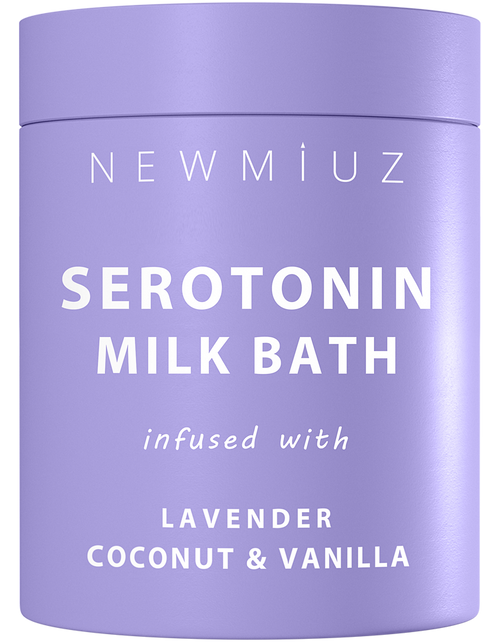
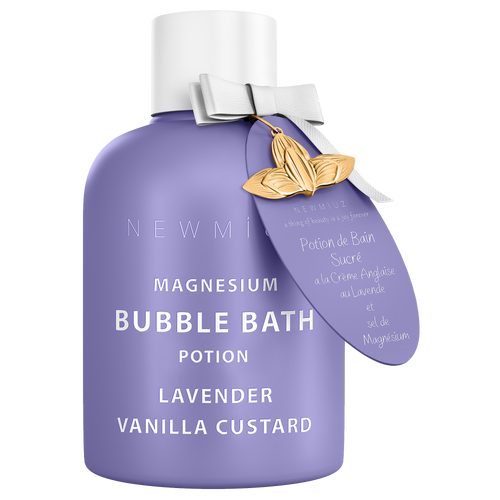
For sensitive skin, our Serotonin Lavender Milk Bath (Lavender, Coconut & Vanilla) is a gentle and calming option that soothes without causing irritation.
Oily Skin
Can be used occasionally, but not essential.
Eczema-Prone Skin
Some people find relief, but it depends on individual sensitivity.
Possible Side Effects
Milk baths are generally safe, but a few things should be kept in mind:
- Avoid if you have dairy allergies
- Rinse properly after bathing
- Do not use spoiled milk
- Always test on small skin area if unsure
Milk Bath vs Regular Bath
A normal bath cleans the skin, but a milk bath goes further:
|
Regular Bath |
Milk Bath |
|
Cleans skin |
Cleans + nourishes |
|
Can dry skin |
Helps retain moisture |
|
No exfoliation |
Mild exfoliation from lactic acid |
Final Thoughts
A milk bath for dry skin is one of the simplest and most natural ways to improve skin softness and hydration. It does not rely on harsh chemicals or complicated steps. Instead, it works with ingredients that are already gentle on the skin.
At New Miuz, we focus on skincare that feels natural and sustainable. Browse our best-selling bath products to find the perfect addition to your weekly skin ritual. A milk bath fits that idea perfectly because it supports both skin health and relaxation at the same time.
If your skin feels dry, rough, or tired, this simple ritual can be a good addition to your weekly self-care routine.
FAQ
What does a milk bath do for dry skin?
It hydrates, softens, and gently exfoliates dry skin.
How often should I take a milk bath?
1–2 times per week is ideal.
Can milk baths help sensitive skin?
Yes, they are generally gentle and soothing.
Which milk is best for skin?
Whole milk or goat milk is commonly used for skincare benefits.